How to Scout a Location — Light, Sound, Power, Load-In, Permits: A Field Guide
Most shoot-day problems were visible during the scout — someone just didn't look

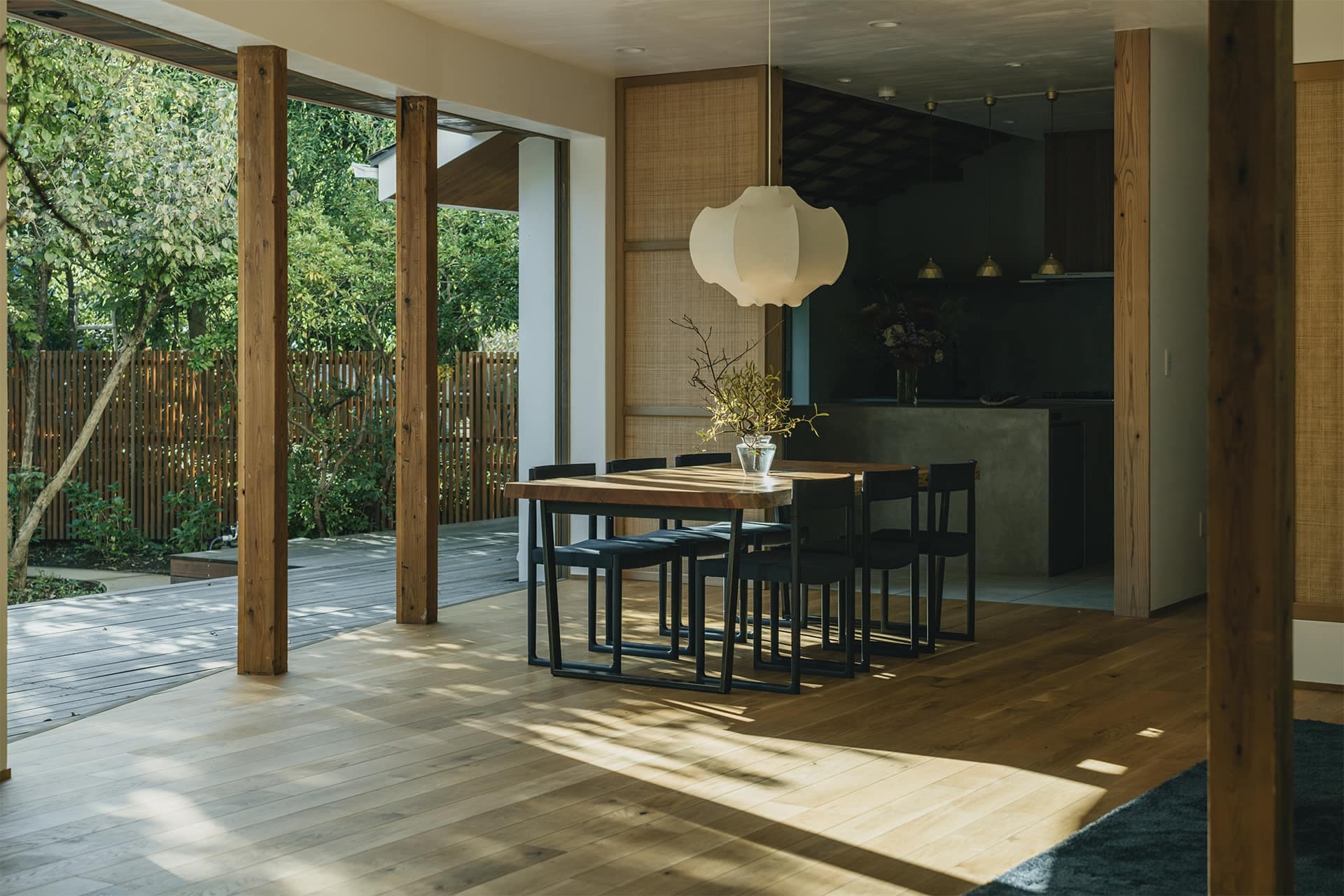
Most problems on a shoot day weren't born that day. Not enough power, backlight after noon, construction next door, gear that won't fit the stairwell — all of it was visible at the scouting stage.
This guide covers the basic scouting routine, from finding candidates to locking the day's plan.
1. Before searching, put the requirements into words
You can't search for "somewhere with a nice vibe". At minimum, articulate four things first:
- The frame: what scenes you're shooting; the space, window orientation, floor and wall textures you need
- Headcount: total cast + crew; whether you need a green room or waiting space
- Time: how many hours, including setup and wrap
- Budget: venue ceiling, including travel costs
With the requirements set, filter the locations directory. If you're searching by area, city pages like shoot locations in Tokyo are the shortcut.
2. What to check on site — the list
Photos and reality always differ. Narrow to two or three candidates, then go.
- Light: visit at your planned shooting hour; window orientation, direct sun, whether blackout is possible
- Sound: stay silent for two minutes and listen — HVAC, traffic, trains, the next room; critical if you're recording audio
- Power: outlet positions, count and capacity; separate circuits if you're running lights
- Load-in: the route from parking to the room; elevator existence and size, stair width
- Permits: what areas are shootable; rules on flammables, water, smoke; restoration conditions
- Green room: changing, makeup and waiting space; number and location of toilets
Walk the space while recording video on your phone — sharing it with the team later needs no explanation.
3. Once decided, put it on paper
Scouting results evaporate before the shoot if they live only in your head. Put decisions into the call sheet tool: call time, load-in route, power locations, house rules. If everything you saw on the scout is written into the call sheet, "nobody told me" disappears from your set.
If you also want to lock the frames per scene, build your shot list in the storyboard tool before the scout — you'll be looking at the space with the more concrete question of "does this shot work here".
Scouting is an investment, not insurance
The half-day you spend scouting doesn't just prevent chaos — it raises the ceiling of what you can shoot, because a team that knows the place can plan shots only that place allows. Start by picking three candidates for your next piece from the locations directory.